



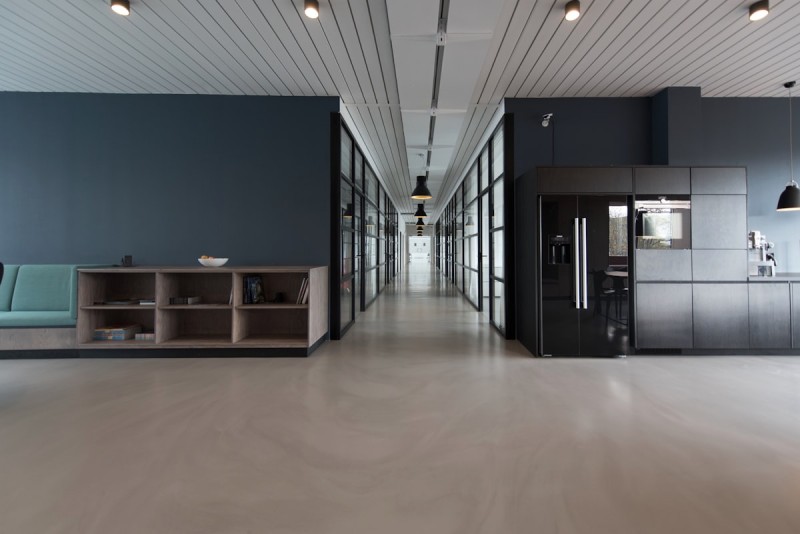
The open-plan office, once hailed as a revolution in collaboration, is being quietly retired.Five years ago, the office was the unquestioned center of professional life. Today, it is something closer to a choice — and that shift is turning out to be far more radical than anyone predicted.In the spring of 2020, roughly half a billion white-collar workers around the world were sent home with a laptop and told to figure it out. Most assumed the arrangement would last weeks. Some assumed months. Almost nobody assumed it would permanently alter the architecture of how work gets done — but that is exactly what happened.The pandemic did not invent remote work. It compressed what might have been a twenty-year transition into roughly eighteen months, and in doing so it forced a global experiment whose results are now coming in. Those results are messy, contested, and deeply important. They reveal not just how people want to work, but what work is actually for — and whether the structures we built around it in the twentieth century were ever as rational as we assumed.What the office was actually doingThe official storyThe official rationale for the office was always collaboration. Proximity breeds communication. Communication breeds innovation. Put smart people in a room together and the sparks will fly. This was the logic behind the open-plan revolution of the 1990s and 2000s, which tore down the cubicle walls and replaced them with communal tables, bre...
Become a premium member to read this story, and all other stories.
RachelKim has put this story behind our paywall, so you’ll need a premium membership to read it. This membership comes with lots of perks:
Access all premium stories on this site.
Read everything and enjoy exclusive stories from our community.
Get personalized recommendations based on your interests.
See Plans